Rare & Specialty Wood Types draw you in with Dalbergia’s rich color and tight grain.
You’ll notice tools bite smoothly, and the tones in inlays sing when you finish.
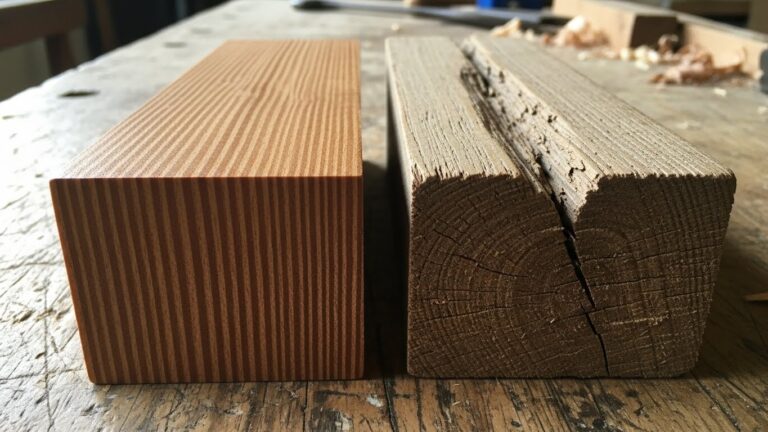
Keep moisture near six to eight percent to stop warping, and plan cuts with grain.
Ethical sourcing matters, so ask for certifications and choose vendors who value forests and communities.
There’s more to explore.
What Makes Rare Woods Like Dalbergia Special: Key Characteristics and Conservation Context
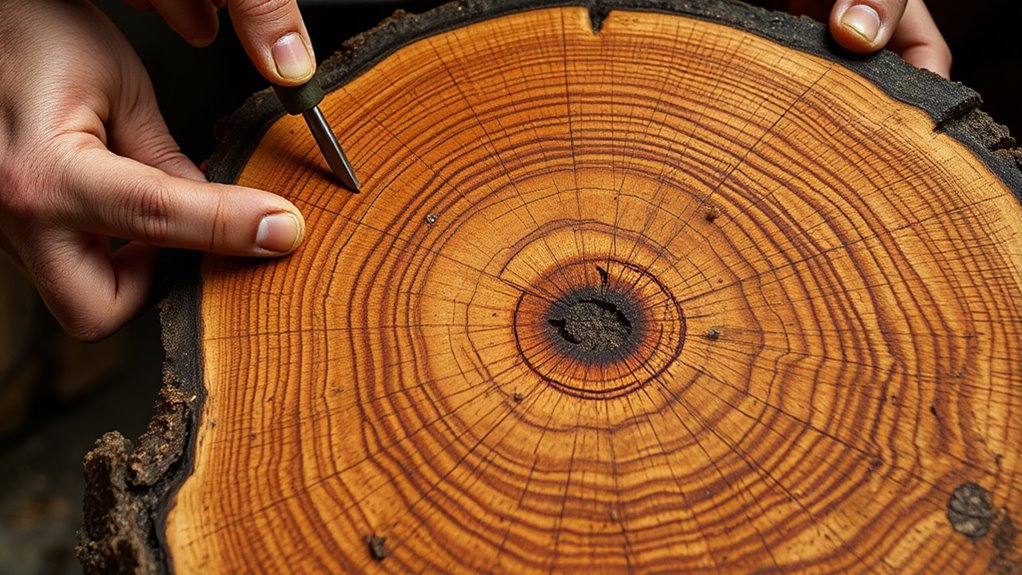
First, rare woods like Dalbergia captivate with beauty and distinctive textures. You notice their warmth, fine grain, and the stories carved into every knot. These trees grow slowly, so supply stays limited, which makes them rare and valuable. Historical uses reveal instruments, carvings, and luxury furniture that traveled with traders. Trade routes shaped these woods, crossing continents and cultures, creating patterns you can study today. You learn to respect harvest rules, avoid endangered species, and choose sustainable sources. With patience, you turn sapwood into art while protecting ecosystems for tomorrow. Your hobby stays thoughtful today. Basswood, a popular choice for carving, offers a fine, even texture and is ideal for beginners due to its softness and Janka scale rating of 410 lbf.
Dalbergia Woods for Carvers: High-Value Species, Visual Traits, and Acoustic Qualities
If you love carving, Dalbergia woods offer bright visuals, tight grain, and rich tones. You can feel the grain patterns guiding your cuts, and the tonal properties give satisfying resonance in small projects. African Blackwood and Cocobolo stand out for precision in details, while Brazilian Rosewood adds depth to guitar shapes. These woods reward patience, with smooth sanding and clear finishes that highlight color shifts. Keep blades sharp, test small blocks, and dry carefully to avoid warps. Choose sustainable sources, and imagine heirloom pieces that sing when you strum or drum. Your projects will feel special and rewarding today. Ideal moisture content for carving these dense hardwoods is between 6-8% to prevent brittleness and warping.
Practical Guide to Working Dalbergia: Texture, Finishes, Drying, and Common Applications
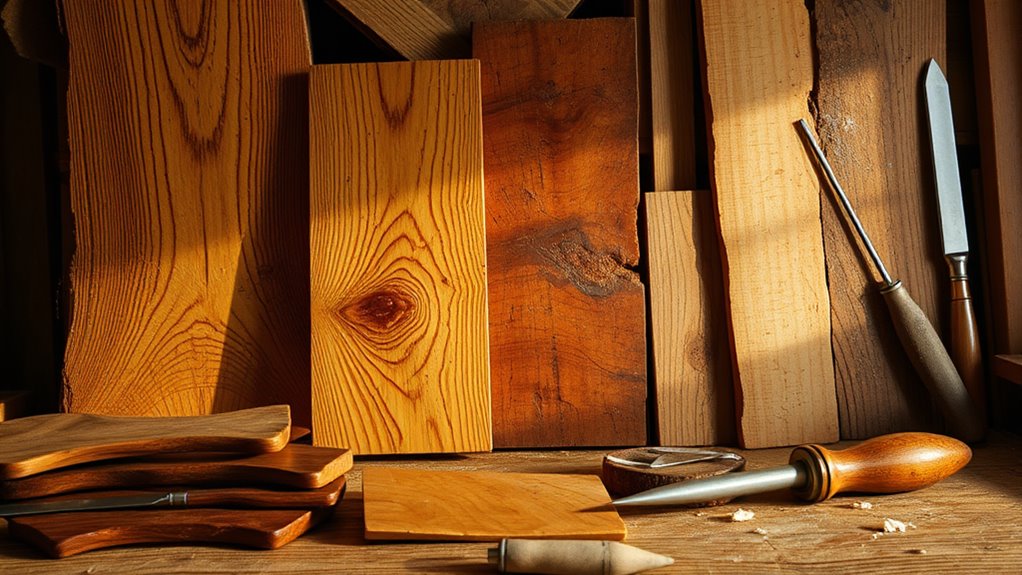
Texture, finishes, drying, and common applications all matter when you work with Dalbergia woods, so start with a plan.
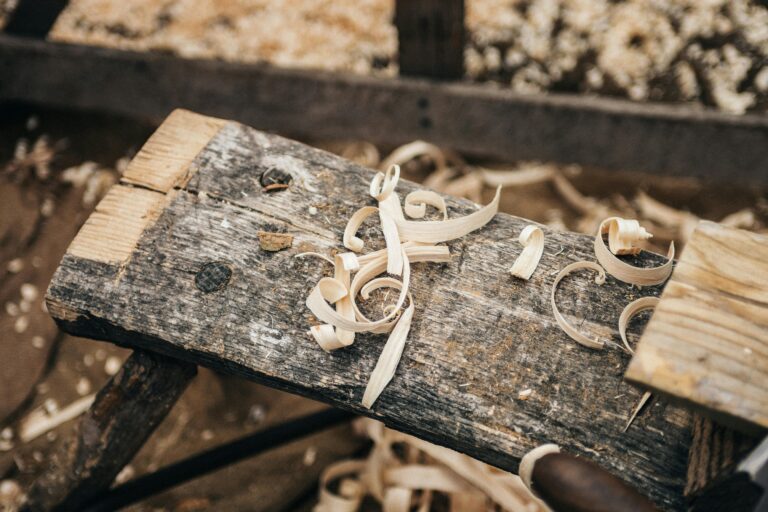
You check grain direction first, then focus on tool sharpness, and sharpen your tools until edges sing, because clean cuts keep details sharp.
Dalbergia finishes prefer light oils and beeswax, applied in thin coats, wiped clean, then buffed.
Drying takes patience; avoid rapid changes in humidity, which can cause warps or checks.
Common uses include carved musical parts, fine boxes, and detailed inlays that friends will admire.
With practice you’ll feel confident; enjoy texture, the finish, and grain together too.
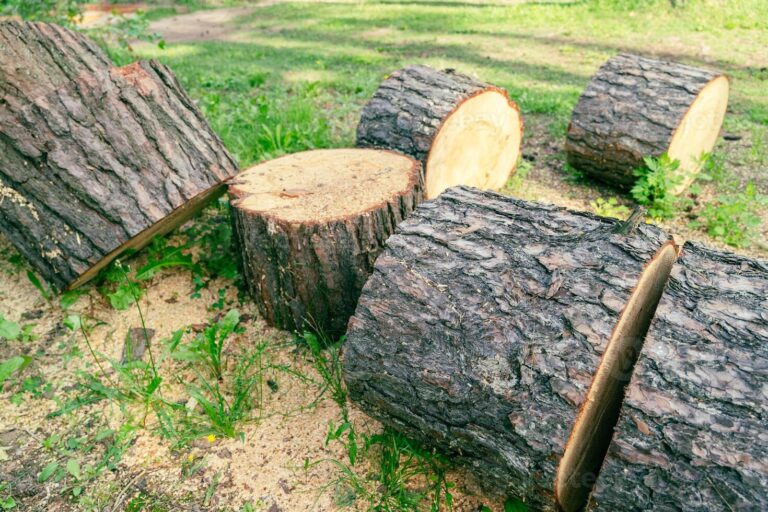
Green wood’s high moisture content makes it easier to carve, reducing effort and improving cut quality, especially when working with dense species like Dalbergia, though slow, even drying is essential to prevent defects.
Ethical Sourcing of Dalbergia: Certifications, Vendors, and Long-Term Value
Ethical sourcing matters when you work with Dalbergia, and it helps protect forests and makers alike. Choose vendors who show a clear chain of custody and follow ethical practices, not just fancy wood. Look for certifications that prove legal harvesting and responsible replanting, such as sustainable forestry credits. Ask sellers about their sources, harvesting seasons, and transport methods so you can trust what you buy. This matters for long-term value, because healthy forests keep wood stable and available. With the right suppliers, your hobby stays enjoyable, affordable, and respectful to ecosystems for you and future makers.
Frequently Asked Questions
How Do Regional Regulations Impact Availability Over Time?
Regulations tighten and loosen over time. You’ll see supplies dwindle when import restrictions tighten and spike when trade agreements ease them. You can adapt by sourcing responsibly, diversifying species, and monitoring policy changes that shape availability and pricing.
Which Woods Stain or Age Differently in Sunlight?
Yes, some woods stain or age differently in sunlight: color shifts occur in several species, while others have strong UV resistance and resist fading; you’ll want stabilizers for guitars and fine furniture to minimize changes.
Are These Woods Hypoallergenic for Sawdust Exposure?
Not all woods are hypoallergenic, and sawdust can still cause skin reactions or respiratory issues. Wear protective equipment, monitor dust levels, and use dust-control measures when carving any dense wood.
What Safety Gear Best Suits Working Hard Dalbergia Woods?
Wear a respirator suitable for fine Dalbergia dust; for lighter exposure a dust mask may be used, but in tight spaces or heavy dust use a P100 respirator. Always pair with safety glasses, gloves, and hearing protection for complete coverage.
Can These Woods Be Sustainably Grown in Home Gardens?
In general, these woods aren’t suitable for sustainable growth in home gardens due to the climates, space needs, and long growth periods they require. For a sustainable approach, support urban forestry programs and ethically sourced timber; monitor growth rates, preserve habitats, and avoid cultivating species that demand extensive resources.
Conclusion
Keep exploring Dalbergia with curiosity and care, friend. You can start by spotting grain patterns, testing moisture at 6 to 8 percent, and sharpening tools for clean cuts. Try small practice pieces first, like a tiny compass rose or a flute finger joint, before tackling bigger carvings. Look for ethical sources and certifications, and save your best scraps for inlays. With patience, this wood will reward you with bright color, rich sound, and beautiful finishes.